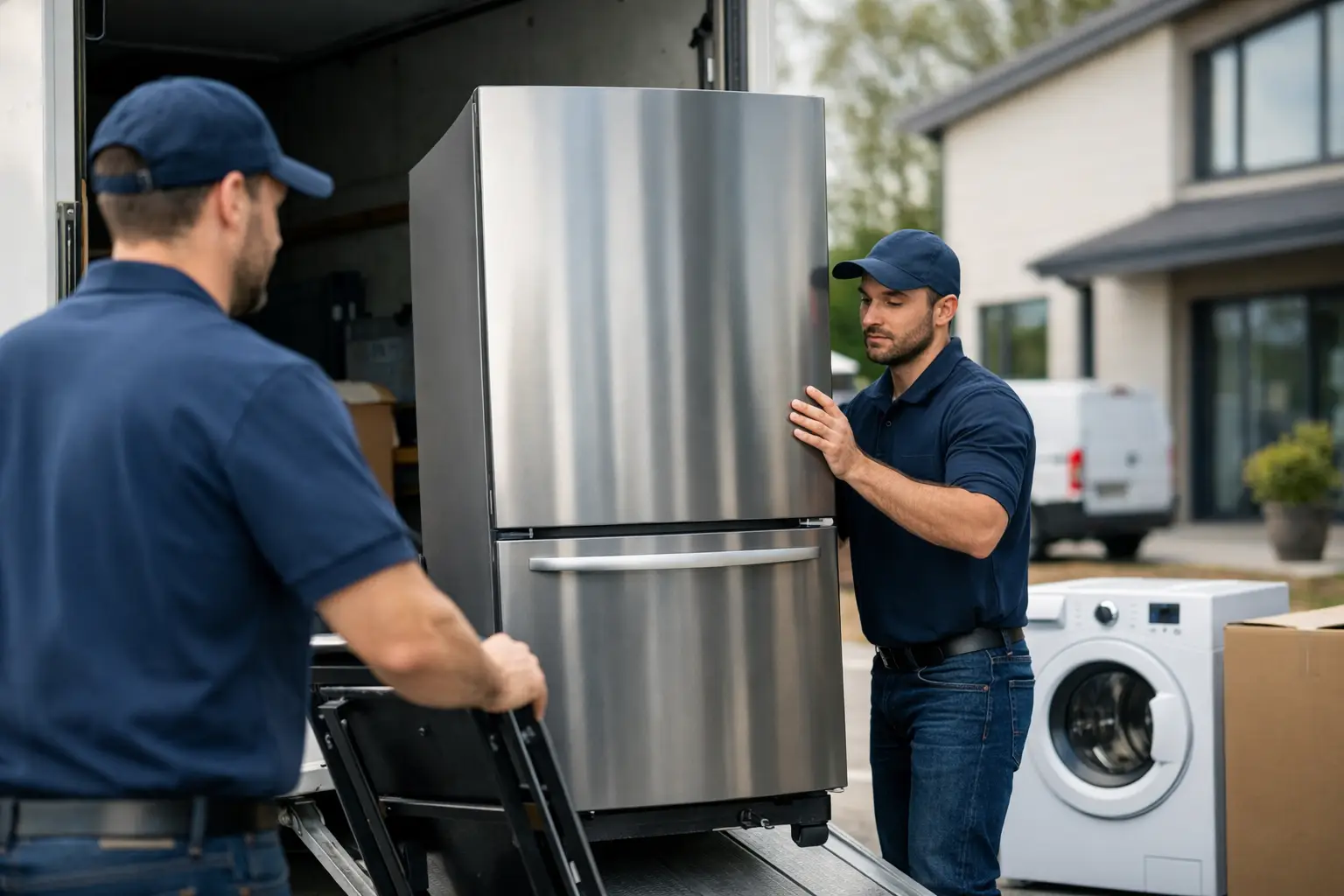
A new washing machine is only a bargain if it can get through your front door, up the stairs and safely into the kitchen or utility room. An appliance delivery service is designed for the awkward part of buying a large item: moving it without damaging the appliance, your property or someone’s back.
For many UK households, the job is more involved than collecting a boxed appliance from a retailer. You may be replacing a fridge in a top-floor flat, sending a cooker to a tenant, moving a dishwasher from a seller’s house, or arranging delivery around work, school runs and building access rules. The right transport provider helps you plan those details before delivery day, rather than discovering a problem when the van arrives.
What an appliance delivery service should cover
Appliance delivery can mean different things, so the first step is to match the service to the job. A standard kerbside delivery may be enough for a boxed microwave or small appliance when you have help available. It is rarely the best choice for a large American-style fridge freezer, range cooker, washing machine or tumble dryer.
A dedicated appliance delivery service normally involves collection from the seller, retailer, storage unit or another address, secure loading, transport and delivery to your chosen room where agreed. Providers may use a man and van, a larger removal vehicle or a two-person crew depending on the appliance size, distance and access.
Be clear about whether you need a one-person or two-person service. Large appliances are heavy, difficult to grip and easy to knock against door frames. Two-person handling is usually the sensible option for white goods going upstairs, items with stairs at either end, or a delivery where there is no one available to assist the driver.
It also helps to separate delivery from installation. Transport providers can place an appliance in position if this is included in the quote, but connecting a gas cooker, altering plumbing or completing electrical work may require an appropriately qualified professional. Never assume installation is included simply because room delivery is.
Check access before you request quotes
The most useful information you can give a provider is not just the appliance’s make and model. It is the route the team will need to take. A washing machine may fit comfortably in a vehicle but still be difficult to manoeuvre through a narrow Victorian hallway or around a tight stairwell.
Measure the appliance, including its packaging if it will travel boxed. Then measure doorways, internal corridors, lifts, turns on staircases and any gates between the road and your home. Check whether handles, banisters or low ceilings could reduce the usable space. If the appliance must go upstairs, tell the provider which floor and whether there is a working lift.
Parking deserves the same attention. A driver who cannot stop close to the property may have a much longer carry than expected. In busy town centres, controlled parking zones, flats with loading bays and streets with time restrictions, arrange permission or a permit where needed. Let the provider know if there are height barriers, gated estates, concierge rules or limited delivery times.
Photos can make a quote more accurate. A clear image of the appliance, entrance, stairs and any difficult turn helps a transport company decide on the right vehicle, crew and equipment. It also reduces the chance of an extra charge or an aborted collection because the job was described as simpler than it is.
Do not overlook the appliance condition
If you are moving a used fridge freezer, washing machine or dishwasher, make sure it is ready for transport. Empty it fully, remove loose shelves where practical and secure doors, drawers and cables. Defrost a freezer in advance and dry it thoroughly. Water left in a washing machine or dishwasher can leak during the journey, so follow the manufacturer’s guidance for draining it before collection.
Fridges and freezers need particular care. They should generally be kept upright in transit where possible. If an appliance has to be laid down, ask the manufacturer or seller for handling guidance and allow adequate standing time before switching it on at the destination. The correct wait can vary by model and how it was transported.
Choosing the right collection and delivery option
The best service depends on where the appliance is coming from and how quickly it is needed. A local collection from a private seller may suit a flexible same-day or next-day man and van booking. A longer move between cities may require a scheduled transport service, especially if you want a two-person crew and timed collection.
For landlords, letting agents and businesses, reliability can matter as much as the delivery price. An empty property may need a new cooker or washing machine in place before tenants arrive. In that case, ask for a defined collection window, a delivery window and confirmation of who will be present to provide access. A low quote is less useful if it leaves you waiting all day or misses a handover deadline.
If you are buying from a marketplace seller, confirm that the appliance is disconnected and ready to collect before booking. Ask whether it is on the ground floor, whether there are stairs, and whether the seller can help load it. These small checks protect both sides from a failed collection.
Comparing quotes through a platform such as MoversExchange can save time when you need to assess several providers at once. Give each provider the same clear job details, including collection and delivery postcodes, appliance dimensions, floor numbers, access notes and your preferred date. That makes the prices easier to compare fairly.
What affects the price of appliance delivery?
Distance matters, but it is not the only cost factor. A short journey with two flights of stairs and difficult parking can take more time and labour than a straightforward delivery across town. The number of handlers, appliance weight, collection flexibility, waiting time and specialist equipment can all affect the quote.
A fixed-price quote gives more certainty when the job details are clear. If a provider offers an estimate, ask what could cause the final price to change. Common reasons include unreported stairs, a long carry from the vehicle, parking charges, extra items, waiting for keys or a failed collection where the appliance is not ready.
Be cautious about choosing purely on the lowest figure. Check what is included: collection, loading, protective equipment, transport, unloading, room placement and any agreed removal of packaging or old appliances. A cheaper kerbside service may create more work and risk for you than a slightly higher quote for a proper two-person room delivery.
Ask about protection and liability
A professional provider should transport appliances securely, using suitable restraints and protective coverings where appropriate. Ask what cover applies while the item is in their care and what evidence is needed if damage is discovered. Take dated photos of a used appliance before collection, particularly if it has existing marks or dents.
This is not about expecting problems. It is about making the condition of the item clear from the start. If you are transporting a high-value fridge freezer, range cooker or built-in appliance, confirm that the provider knows its value and any manufacturer handling requirements.
Prepare the property for delivery day
Create a clear route from the entrance to the final room. Move shoes, furniture, pet bowls, rugs and boxes out of the way, and keep children and pets away from the carrying route. If walls or flooring are newly decorated, tell the team and point out any areas that need extra care.
Have your phone nearby and stay contactable during the agreed time slot. For a flat or managed building, arrange lift access and let the concierge or building manager know the delivery is expected. If somebody else is receiving the appliance, give them the delivery details and make sure they can make decisions if access is different from what was expected.
Before the crew leaves, inspect the appliance exterior and confirm it has been placed in the agreed location. If packaging removal is included, check that it is taken away. For an old appliance collection, make sure that service was specifically booked rather than assumed.
A well-planned delivery is less about complicated logistics and more about sharing the right details early. When the provider understands the appliance, access route and level of help required, you can choose a service that fits your budget and get the new item where it needs to be without turning delivery day into another moving problem.