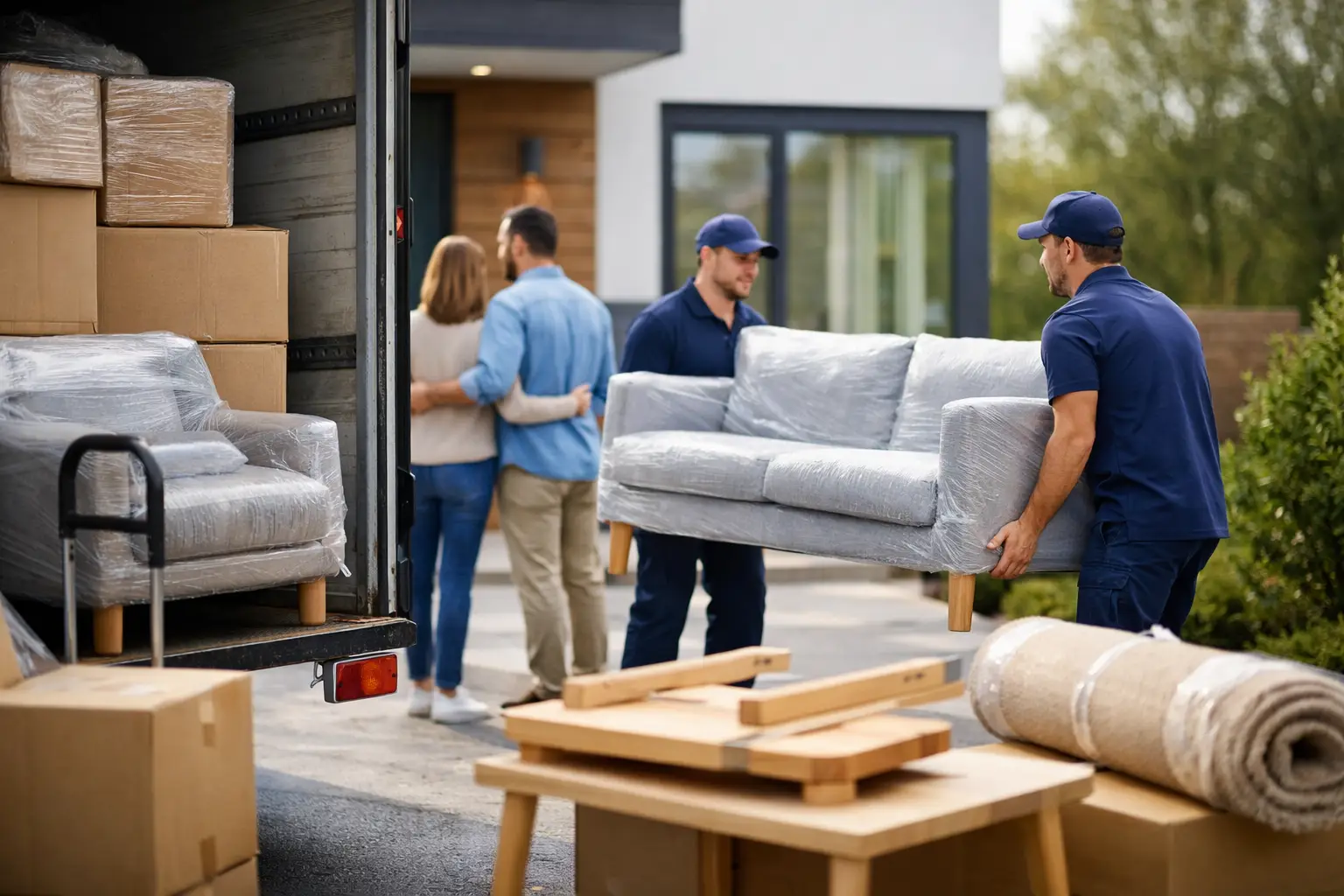
A sofa that will not fit in the lift, a wardrobe bought from a seller three counties away, or a dining table needed before tenants move in - these are not ordinary parcel jobs. The right furniture delivery service protects the item, fits around access restrictions and gives you a realistic price before collection day.
For one item, it can be tempting to choose the first cheap quote available. But furniture is awkward, easily marked and often heavier than it looks. A low price can become poor value if it excludes help at either end, has no suitable vehicle or leaves you responsible for damage caused during loading.
Start with the furniture, not the vehicle
The first decision is not whether you need a van or a lorry. It is what the item needs to travel safely. A boxed bedside cabinet can usually be handled very differently from a solid oak sideboard, a glass display cabinet or a three-piece suite.
Give providers accurate dimensions, including the widest, tallest and deepest points. If the furniture is already assembled, say so. Include its approximate weight where known, whether it contains glass, mirrors, marble, loose drawers or detachable legs, and whether it is new, used or an antique. Clear photos are useful because they show the condition before collection and reveal handling issues that a short description can miss.
This information helps a provider send the right vehicle, number of people and protective equipment. It also produces a quote that is more likely to hold. A price based on “one wardrobe” is less dependable than one based on a 210 cm assembled wardrobe on a second-floor flat with no lift.
Check collection and delivery access properly
Most furniture delivery problems happen at the property, not on the road. A driver may reach the address on time but be unable to park nearby, get through a narrow hallway or take a large item up a tight staircase. That can lead to delays, extra labour charges or an unsuccessful delivery.
Before requesting quotes, check where the vehicle can stop at both addresses. Mention permit-controlled streets, loading restrictions, steep drives, gated estates and long walks from parking to the door. If collection or delivery is above ground level, confirm the floor, lift size and whether there are stairs. Measure doorways, corridors, turns and stairwells when the item is large or inflexible.
It is also worth deciding who will be present. Some collections from marketplace sellers, shops, storage units or auction houses have limited opening hours. Someone needs authority to release the item, and the driver needs a workable collection slot. At delivery, make sure somebody can inspect the furniture and direct it to the correct room.
Room-of-choice delivery is not always included
“Delivery” can mean kerbside drop-off, delivery to the entrance, or carrying the item into a chosen room. These are very different levels of service. If you need the furniture upstairs, into a garden office or through a side entrance, state this at the quote stage.
Two-person handling is often sensible for large, heavy or delicate furniture, even where one person might technically manage it. It reduces the risk of damage to the item, walls and flooring, and it makes collection and delivery faster. The trade-off is cost, but paying for suitable handling is usually preferable to a failed attempt or an injured helper.
Compare a furniture delivery service on what is included
The best quote is not automatically the lowest figure. Compare like for like and look at the detail behind the price. A reliable furniture delivery service should make it clear what collection, transport and delivery work is covered.
Ask whether the quote includes loading, unloading, protective blankets, securing the item in the vehicle and basic dismantling or reassembly if needed. Confirm whether stairs, waiting time, parking charges, congestion charges, long carries or difficult access could change the price. If an item needs packing, ask whether materials are supplied or whether it must be wrapped before the driver arrives.
Timing matters too. Some jobs suit a flexible collection window, which may give you more competitive options. Others need a specific date because a seller is moving out, a shop has booked a collection slot or a new tenant is collecting keys. Same-day or urgent transport can be useful, but it generally costs more and offers fewer choices.
For a long-distance job, ask whether the delivery is dedicated or part of a shared route. A dedicated service usually gives greater control over timing and reduces handling between stops. A shared load can be a cost-effective option for non-urgent furniture, but the delivery window may be wider. Neither is universally better - it depends on your deadline, budget and how valuable or fragile the item is.
Prepare the item before the driver arrives
Good preparation makes a collection safer and helps keep the booking on schedule. Empty drawers and cupboards, remove loose shelves and take off easily detachable legs where this has been agreed. Keep screws, brackets and fittings together in a labelled bag secured to the furniture where possible.
Protect vulnerable corners, glass panels and polished surfaces. For used furniture, take dated photographs before collection, including any existing scratches or marks. This is particularly helpful when furniture is being bought privately, collected from storage or delivered to someone else on your behalf.
Do not assume every item can be dismantled without risk. Flat-pack furniture that has already been assembled may weaken when taken apart, while older pieces can have fragile joints or hidden repairs. Tell the provider if you do not want dismantling attempted. Likewise, explain if an item cannot be tilted, stacked or placed on its side.
Choose a provider with the right level of care
A small bookcase and a vintage cabinet should not be treated as the same job. For valuable, delicate or unusually heavy pieces, look for a provider willing to discuss handling rather than simply accepting a vague description. You may need extra wrapping, two-person collection, a larger vehicle or specialist lifting arrangements.
Insurance is another practical question. Ask what cover applies while the item is being transported and whether there are limits, exclusions or a claims process you should understand. Be honest about the item’s condition and value. A provider cannot plan for risks they have not been told about, and a vague declaration can complicate any dispute later.
Communication is a useful sign of how the job will run. You should know the collection date, expected time window, contact arrangements and what to do if access changes. For furniture bought from a retailer or private seller, send the collection details early and make sure names, phone numbers and reference numbers are correct.
Get accurate quotes without the phone chase
Comparing several suitable providers gives you a clearer view of a fair price and the service available in your area. Rather than repeating the same details to multiple firms, use a comparison platform to set out the job once: furniture description, photos, postcodes, floors, access, dates and the help required.
MoversExchange helps customers compare transport providers for single-item collections, furniture deliveries and larger moves across the UK. The useful part is not just seeing competing prices. It is being able to compare the scope of each offer, ask the right questions and choose a service that matches the reality of the job.
Be ready to respond if a provider asks for clarification. A quick answer about parking, measurements or whether a table has removable legs can prevent an estimate from becoming an amended price on the day. Once you book, keep the agreed details in writing and let both collection and delivery contacts know the plan.
When a furniture delivery needs a different approach
Some jobs are better handled as part of a removal service. If you are collecting several large pieces, boxes and household items from one property, a man and van or removal booking may be more practical than arranging separate furniture deliveries. It can reduce repeat journeys and give you the labour needed for a full flat or house move.
At the other end of the scale, a single small, well-packaged item may suit a courier, provided it meets the courier’s size, weight and packaging requirements. The key is not to force the job into the cheapest category. Match the service to the item, access and urgency.
A few minutes spent measuring, photographing and explaining the job can make delivery day far less stressful. It gives the provider what they need to plan properly and gives you a much better chance of seeing your furniture arrive where it belongs, in the condition you expected.